Serving the Carolinas
Does Homeowners Insurance Cover Water Damage? 9 Clear Rules Charlotte Homeowners Need
Sometimes yes and sometimes no, and the cause of the water decides which answer you get. We explain does homeowners insurance cover water damage in Charlotte, rule by rule, so you know what to expect before you file.
Does Homeowners Insurance Cover Water Damage? 9 Clear Rules Charlotte Homeowners Need
If you are asking does homeowners insurance cover water damage, the direct answer is this: it often does when the water came from a sudden and accidental event inside the home, such as a burst pipe or a failed appliance, and it usually does not when the water came from flooding outside the home, from a problem that built up slowly over time, or from maintenance that was left undone. That cause based answer is the heart of does homeowners insurance cover water damage, and the rest of this guide explains the rules in plain language so a Charlotte homeowner can set the right expectation before filing anything. If you fill out the form at https://247ert.com/contact-us/, we will contact you ASAP. For an emergency, call (704) 525-4552.
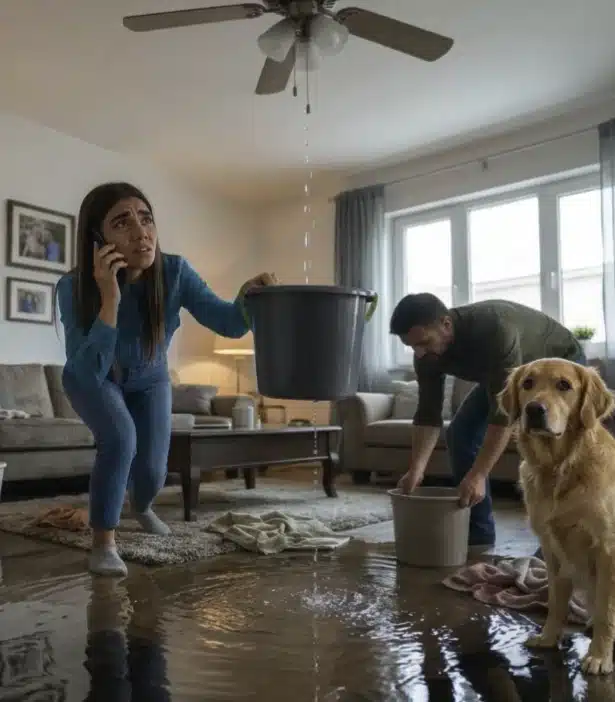
We are Emergency Restoration Team, and homeowners across Charlotte ask us this question in the first phone call after a leak, often while water is still on the floor. We are not an insurance company and we do not decide claims. Coverage depends on your own policy wording and on the facts of your loss, and your insurer makes the final call. What we can do is explain how coverage usually works in general terms, document the damage carefully, and communicate with your adjuster so the facts are clear. A clear understanding of does homeowners insurance cover water damage starts with one idea: insurers look first at where the water came from.
Does Homeowners Insurance Cover Water Damage? The 9 Rules That Decide It
When a homeowner asks us does homeowners insurance cover water damage, we explain the same nine general rules every time. No single rule decides every claim, and policy wording varies from company to company. Together, these rules explain most outcomes we see in the Charlotte area.
First, sudden and accidental events are the strongest cases. A supply line that bursts, a water heater that fails without warning, or an appliance hose that splits and releases water into a room are the classic examples insurers describe as sudden and accidental. When people ask does homeowners insurance cover water damage from a burst pipe, this is usually the category they mean, and it is generally the category standard policies are built to cover, subject to the terms and limits of the policy.
Second, gradual damage is usually treated differently. A slow leak under a sink that ran for months, repeated seepage, or long term humidity damage in a crawlspace points to a problem that developed over time rather than a single sudden event. Insurers often view that kind of loss as a maintenance matter. This is one reason a small leak found early matters so much, because the timeline in the documentation can shape how does homeowners insurance cover water damage in that specific case.
Third, flood water from outside the home sits in its own category. Water that rises from the ground, overflows from a creek, or enters from heavy rain pooling outside is generally treated as flood, and standard homeowners policies generally exclude flood. Separate flood insurance exists for that risk, and our separate guide on flood coverage covers that topic on its own. For a Charlotte home near one of our many creeks, this distinction is not a technicality. It can be the whole claim.
Fourth, sewer and drain backup often needs an endorsement. Many standard policies limit or exclude damage when water backs up through a sewer or drain, and many homeowners add a specific backup endorsement for that risk. Whether does homeowners insurance cover water damage from a backup therefore depends on whether that endorsement is on your policy, so it is worth checking before you ever need it, not after a backup has already happened in your home.
Fifth, the source of the water and the resulting damage can be treated differently. In general terms, a policy may respond to damage that a sudden event caused to floors, walls, and belongings, while the repair of the failed part itself, such as the worn out appliance or the old pipe, is often treated as a maintenance cost for the homeowner. The exact split depends on your policy, and your adjuster can explain how it applies to your loss.
Sixth, mold that follows a covered water loss is often handled under limits. When mold grows because a covered event left materials wet, many policies include a limited amount of mold related coverage tied to that covered loss. Mold from a long term, uncovered moisture problem is a different matter. This is another reason fast professional drying after a covered event matters, and why documentation of dates and moisture readings helps everyone involved.
Seventh, your deductible and your policy limits shape the practical answer. Even when does homeowners insurance cover water damage for your type of loss, the amount you pay out of pocket first, and the maximum the policy will pay, come from your own declarations page. Two neighbours with the same burst pipe can have very different experiences simply because their deductibles and limits are different.
Eighth, prompt reporting helps. Insurers generally expect a loss to be reported in a timely way, and they expect reasonable steps to be taken so the damage does not grow worse after the event. Calling a professional restoration company promptly, and keeping photos and records from the first day, supports that expectation. Waiting weeks while wet materials sit can complicate a claim, because it becomes harder to separate the original loss from what happened afterwards.
Ninth, documentation decides close calls. When the facts are clear, the claim conversation is simpler. Photos of the source and the affected areas, moisture readings, a written scope, and dated records of the work give your adjuster what they need to apply your policy to your loss. When homeowners ask us does homeowners insurance cover water damage in their case, our most useful answer is often this: let us document it properly so your insurer can decide on full facts.
Common Charlotte Situations, In General Terms
Charlotte homes see a familiar set of water problems. Supply lines and appliance hoses fail in homes of every age. Water heaters reach the end of their service life. Heavy summer storms test roofs and drainage. Winter cold snaps can freeze exposed pipes, especially in crawlspaces and exterior walls. Creeks such as Little Sugar Creek and Briar Creek rise quickly in heavy rain, and homes near them face the flood distinction described above. In each situation, does homeowners insurance cover water damage turns on the same questions: was it sudden, where did the water come from, and what does your policy say about that cause.
Homes with crawlspaces deserve a special note. A slow plumbing leak above a crawlspace can run for a long time before anyone notices, and by the time odours or soft floors appear, the timeline may look gradual to an insurer. Regular professional inspections after any plumbing work, and a prompt call at the first sign of moisture, protect both the home and the clarity of any future claim.
Have questions about your situation?
Call (704) 525-4552. If you fill out the form at 247ert.com/contact-us, we will contact you ASAP. For an emergency, call (704) 525-4552.
What To Do When Water Damage Happens
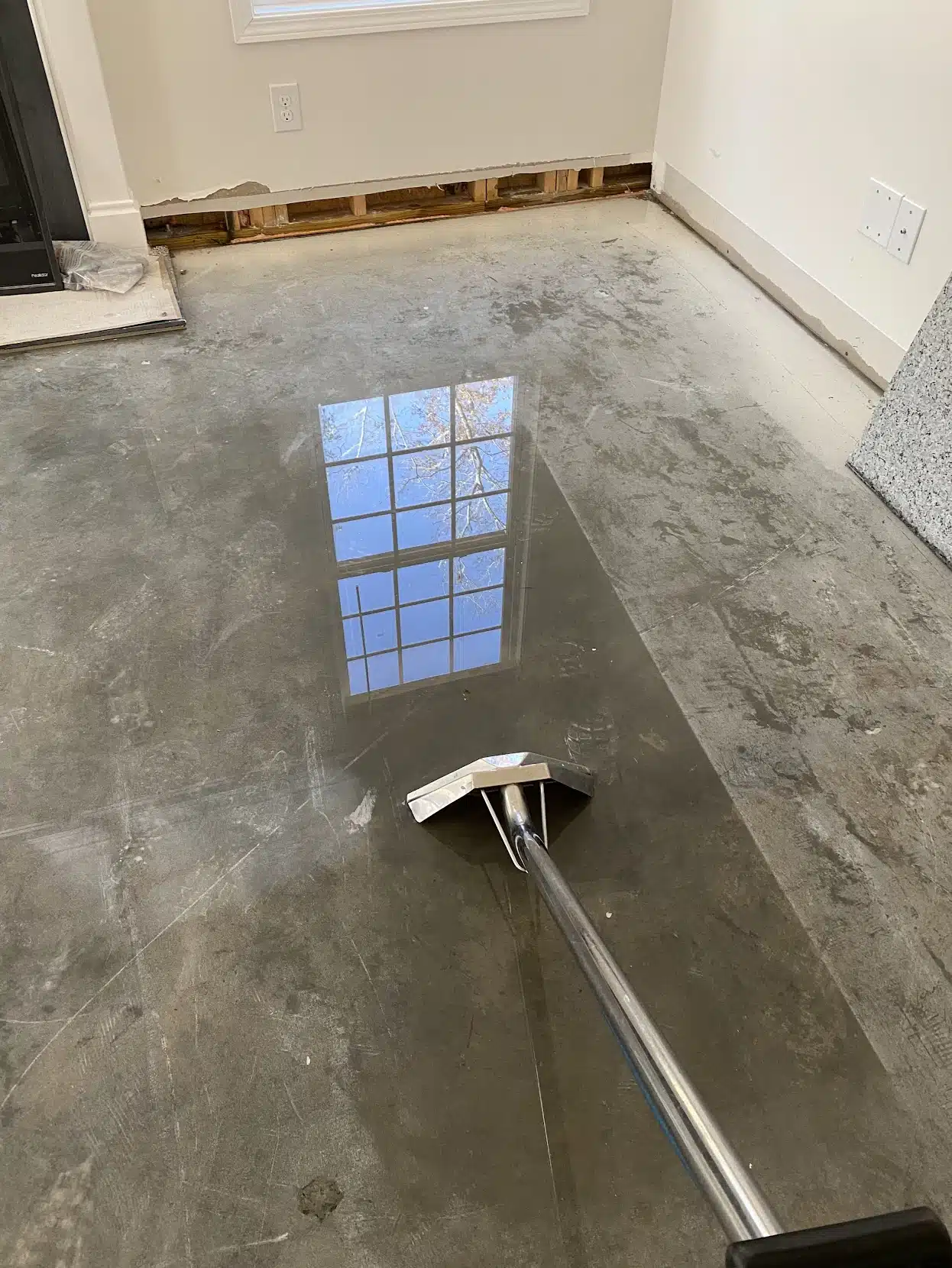
Start by calling for professional help and by contacting your insurer promptly to report the loss and ask how they want the claim handled. Take clear photos and video of the affected areas and of the apparent source if it is visible and safe to photograph, and keep any paperwork you receive. Save receipts for emergency services. Then let the restoration team document moisture levels and the full scope before work moves ahead, so the record matches the condition of the home on day one.
We handle that documentation as a standard part of our water damage restoration in Charlotte work.
We photograph every affected area, log moisture readings, write a clear scope, and communicate directly with your adjuster as the job proceeds. The Insurance Information Institute publishes general guidance on water damage and insurance that matches this document early approach, and your own insurer can confirm the specific steps your policy requires.
One caution belongs here. Never let anyone promise you a claim outcome. A restoration company can document, explain the general rules, and support the process, and only your insurer can approve or deny your claim under your policy. If someone guarantees coverage before an adjuster has even seen the loss, that is a reason to slow down and ask more questions.
How We Support a Claim, Without Deciding It
Our role is restoration and documentation. We are Emergency Restoration Team (ERT), 16131 Lancaster Hwy, Ste 120, Charlotte, NC 28277, and our phone is (704) 525-4552. We offer 24/7 emergency service, we are an IICRC Certified Firm, we hold a BBB A- rating, and we carry a 5.0 star Google rating. From first call to final walkthrough, one company handles the whole job, including repairs after drying is complete. That turnkey approach keeps one clear record from start to finish, which helps you and your adjuster review what happened, what we found, and what we did, in order.
If you are standing in water in Charlotte right now and wondering does homeowners insurance cover water damage for your situation, call us at (704) 525-4552. We will respond, document the loss properly, explain the general rules in plain language for your type of event, and help you start the conversation with your insurer on solid facts.
Does homeowners insurance cover water damage from a burst pipe? In general terms, a burst pipe is the classic sudden and accidental event, and standard policies are generally built to respond to the resulting damage, subject to your terms, deductible, and limits. The failed pipe itself is often treated as a maintenance item. Your adjuster confirms how your policy applies.
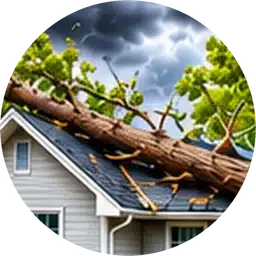
Does homeowners insurance cover water damage from a leaking roof? It depends on why the roof leaked. Damage from a sudden storm event is treated differently from a leak caused by an old, worn roof that let water in over time. Documentation of the storm, the entry point, and the timeline helps your insurer apply the right category.
Does homeowners insurance cover water damage from flooding? Standard homeowners policies generally exclude flood, which is water rising from outside the home. Separate flood insurance is the usual route for that risk, and our flood specific guide covers it in detail.
Does homeowners insurance cover water damage from a sewer backup? Often only when a specific sewer or drain backup endorsement is on the policy. Check your declarations page, or ask your agent, before you need it, because adding it after a backup does not change that loss.
What should I send my insurer first? In general, send prompt notice of the loss, clear photos, the date you discovered the damage, and the documentation your restoration company prepares, including moisture readings and a written scope. Ask your insurer if they want anything else, and keep copies of everything you send.
The EPA notes that drying water damaged areas within 24 to 48 hours helps prevent mold growth.
For help in Charlotte or nearby communities, see our Insurance claims page.
If you fill out the form at https://247ert.com/contact-us/, we will contact you ASAP. For an emergency, call (704) 525-4552.
Related services
From first call to final walkthrough, one company handles it all.

Insurance claims
We document the damage and work with your adjuster. We cannot file your claim for you or promise how it comes out.

Water damage restoration
Emergency water removal, structural drying, and documentation after a leak, flood, or appliance failure.

Burst pipe repair
When a pipe bursts, we stop the water, extract what is standing, and dry the materials that got wet.
We handle the claim documentation for you
Coverage depends on the cause of loss and the policy. Emergency Restoration Team helps document damage and works with insurance companies during the restoration process. This is documentation support, not a promise that a claim will be paid or that insurance is 100% handled.
Damage documentation
Every affected area photographed and logged to support your claim.
Adjuster coordination
We communicate directly with your adjuster to simplify approvals.










What customers say
Insurance questions, answered
Does homeowners insurance cover water damage from a burst pipe?
In general terms, a burst pipe is the classic sudden and accidental event, and standard policies are generally built to respond to the resulting damage, subject to your terms, deductible, and limits. The failed pipe itself is often treated as a maintenance item. Your adjuster confirms how your policy applies.
Does homeowners insurance cover water damage from a leaking roof?
It depends on why the roof leaked. Damage from a sudden storm event is treated differently from a leak caused by an old, worn roof that let water in over time. Documentation of the storm, the entry point, and the timeline helps your insurer apply the right category.
Does homeowners insurance cover water damage from flooding?
Standard homeowners policies generally exclude flood, which is water rising from outside the home. Separate flood insurance is the usual route for that risk, and our flood specific guide covers it in detail.
Does homeowners insurance cover water damage from a sewer backup?
Often only when a specific sewer or drain backup endorsement is on the policy. Check your declarations page, or ask your agent, before you need it, because adding it after a backup does not change that loss.
What should I send my insurer first?
In general, send prompt notice of the loss, clear photos, the date you discovered the damage, and the documentation your restoration company prepares, including moisture readings and a written scope. Ask your insurer if they want anything else, and keep copies of everything you send.
Related articles
Written by Jaime Erausquin
Jaime Erausquin is the owner of Emergency Restoration Team (ERT), a certified restoration contractor serving Charlotte NC and surrounding communities. IICRC certified with hands-on experience in water damage, fire restoration, mold remediation, and storm damage recovery.
We come to you — across the greater Charlotte region
24/7 restoration for residential and commercial properties throughout the Carolinas — same IICRC-certified process everywhere we dispatch.
North Carolina
South Carolina
More restoration services


Get a free inspection
IICRC-certified technicians, photo documentation for your insurer, and a written scope before any work begins. Call (704) 525-4552 or send this form. If you fill out the form at https://247ert.com/contact-us/, we will contact you ASAP. For an emergency, call (704) 525-4552.
Know Someone Who Needs Our Help?
If a friend, neighbor, or customer is dealing with water, mold, or fire damage, send them our way. Fill out the quick referral form and, when their job is complete and invoiced, we'll thank you with a bonus of up to 10% of the job.
Refer Someone
Ready For Immediate Help?
Our team is available 24/7 for water, fire, and mold emergencies in Charlotte.