Water Damage • Hidden Structural Risk
Why Water Damage Gets Worse Over Time and the Hidden Structural Damage Most Homeowners Never See
Small leaks rarely stay small. Moisture spreads through walls, flooring, and structural materials long before most homeowners realize the damage is growing.
Introduction to Water Damage
Water damage is one of the most common and costly problems homeowners face. It occurs when water intrudes into areas of a structure where it should not be, damaging building materials and creating long term risks to the home.
Water damage can come from many sources including plumbing leaks, burst pipes, overflowing sinks, appliance failures, roof leaks, and severe storms. Some of these events create immediate visible damage, but many cause hidden moisture problems that continue spreading inside walls and floors. If you are dealing with active water intrusion, Emergency Restoration Team’s water damage restoration service in Charlotte NC is built for fast response, moisture inspection, extraction, and drying.
When water enters structural materials such as drywall, insulation, and wood framing, it begins breaking down those materials. If the moisture is not removed quickly, it can weaken structural components and increase the risk of microbial growth. That is why many homeowners who first notice a small stain later end up needing broader repairs, especially when the source was never fully dried or documented.
Emergency Water Damage Warning
Water damage does not dry on its own. Moisture trapped inside walls, insulation, and flooring can continue spreading even when the surface appears dry.
Delaying professional drying increases the risk of structural damage, mold growth, and costly repairs. Acting quickly helps prevent further damage to the home.
How Water Damage Progresses Over Time
Water damage usually begins with a leak or intrusion event. In the first stage, water saturates nearby materials. Drywall, carpet, insulation, and wood quickly absorb moisture. This may happen after a plumbing issue, a burst line, an overflow, or storm driven water entering through the roof or exterior openings.
Once these materials become wet, moisture spreads outward into surrounding areas. Water can travel through wall cavities, flooring systems, and structural framing long after the original leak stops. This is one reason why delayed action often leads to more invasive repairs and why fast inspection is just as important as water removal.
Within a short period of time, damp materials can begin to deteriorate. Wood can warp, drywall can soften, and adhesives in flooring systems can begin to fail. The longer moisture remains, the more structural damage can occur. If the damage started with wind driven rain, roof failure, or exterior openings, services such as storm damage restoration may be necessary to stabilize the property and prevent further intrusion.
Water losses from pipe failures often follow the same pattern. What begins as a small leak can quickly become a larger structural issue, especially when it happens in concealed spaces. That is why our blog cluster also connects with urgent topics like burst pipes, emergency extraction, and why water damage gets worse over time. If your loss included strong odors or contamination, it may also overlap with our sewage cleanup service depending on the source.
The Hidden Structural Damage Most Homeowners Never See
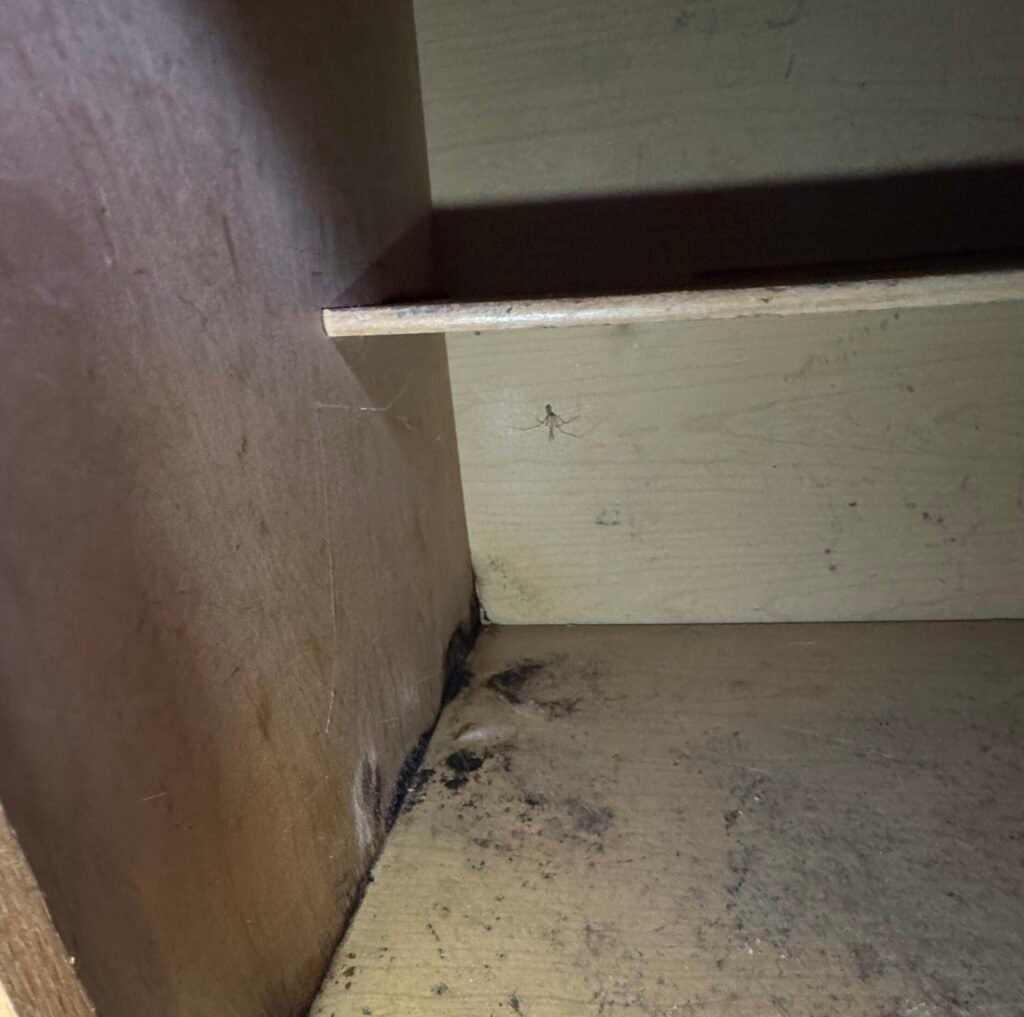
One of the most dangerous aspects of water damage is that much of it occurs in hidden spaces. Water can accumulate behind walls, beneath flooring, and inside ceiling cavities where it is not immediately visible. This means a room can look better on the surface while the structure is still holding damaging moisture.
Because these areas are concealed, damage can continue for long periods before homeowners notice signs of a problem. By the time stains, odors, or warped materials appear, structural damage may already be significant. If moisture remains long enough, the property may require demolition, material replacement, and additional rebuilding work through our restoration and structural repair services depending on the extent of the loss.
- Wood framing may weaken or warp
- Drywall can lose structural strength
- Subfloors can swell and deteriorate
- Flooring systems may separate or buckle
- Moisture trapped in walls can lead to microbial growth
Professional inspection is often required to locate hidden moisture and prevent additional structural damage. A surface fan or open window is not enough when the moisture has already moved inside structural cavities.
The Role of Humidity and Indoor Conditions
Environmental conditions inside a home play a major role in how quickly water damage spreads. High humidity levels can prevent building materials from drying properly. Even after visible water is removed, damp air can keep walls, subfloors, and framing wet longer than expected.
When humidity remains elevated, moisture trapped inside materials continues to break down structural components. This environment can also increase the likelihood of microbial growth and unpleasant odors. In many homes, this is where a small water event starts turning into a larger issue that overlaps with mold removal and moisture related restoration.
Temperature fluctuations can worsen the situation by causing building materials to expand and contract, creating pathways for moisture to spread deeper into the structure. That is especially common after storms, frozen pipe incidents, and longer term hidden leaks.
Why hidden moisture is so dangerous
When water stays trapped inside structural materials, damage keeps happening out of sight. That hidden progression is what makes early professional drying so important. Waiting for obvious signs usually means the problem is already bigger than it looks.
Common Areas Where Hidden Water Damage Develops
Behind Walls
Plumbing leaks often occur behind walls where pipes run through framing. Even a slow leak can soak insulation and drywall for weeks before becoming visible. If the source came from a bathroom, laundry room, or kitchen line, the surrounding wall cavities may hold more moisture than expected.
Under Floors
Appliance leaks, burst pipes, and overflows often spread under flooring systems. Moisture trapped beneath flooring can damage subfloors and adhesives. Water may move farther than homeowners think, especially under vinyl planks, laminate, hardwood, and tile assemblies.
Attics
Roof leaks and storm damage frequently allow water to enter attic spaces where insulation and wood framing absorb moisture. If this happens after severe weather, our storm damage restoration page is an important related resource for homeowners trying to stop additional interior damage.
Crawl Spaces and Basements
These areas naturally hold higher humidity levels, making them especially vulnerable to hidden water damage and mold risks. When moisture stays trapped below the home, odors and structural concerns often follow.
Warning Signs Water Damage Is Getting Worse
Although some water damage remains hidden, homeowners should watch for early signs that moisture may be present inside the structure.
- Discolored or stained walls and ceilings
- Musty or damp odors
- Peeling paint or bubbling finishes
- Warped flooring or baseboards
- Soft drywall or spongy materials
- Recurring moisture stains
- Unexpected indoor humidity or damp feeling rooms
If any of these symptoms appear, a professional inspection should be performed immediately to prevent further damage. If the property also smells musty after a previous leak, our related moisture and odor content should connect readers to odor removal services in Charlotte NC.
The Impact of Delayed Repairs
Delaying water damage repairs can dramatically increase the cost and severity of the problem. Small leaks can quickly turn into large restoration projects if moisture continues spreading inside the structure.
Extended moisture exposure can lead to widespread material damage, structural weakening, and microbial growth. These conditions require more complex restoration procedures and may involve demolition and rebuilding. That is why early mitigation is almost always less expensive than waiting.
In some cases contaminated water events may require specialized services such as sewage cleanup and sanitation. In other losses, a hidden leak may lead directly into mold related work, making mold removal in Charlotte NC another important internal connection for the cluster.
Professional Assessment and Damage Detection
Professional water damage inspections help determine how far moisture has spread and what materials are affected. Restoration specialists use moisture detection tools to locate hidden water inside walls, floors, and ceilings.
This process allows technicians to develop a drying strategy that removes moisture before structural damage worsens. Early intervention can significantly reduce repair costs and prevent further damage. It also creates cleaner documentation when homeowners need clear reporting on affected materials.
If the loss involves smoke, soot, or fire suppression water, related damage may extend beyond simple drying. In those cases, our fire damage restoration service may also become relevant depending on what caused the event.
Preventative Measures to Reduce Risks
Homeowners can take several steps to reduce the risk of serious water damage.
- Inspect plumbing connections regularly
- Maintain gutters and roof drainage
- Monitor attic and crawl space moisture
- Repair leaks immediately
- Schedule inspections after storms or flooding
- Do not ignore musty odor, staining, or soft materials
Addressing water problems quickly can prevent minor issues from becoming major restoration projects. Even when the leak appears small, hidden moisture can keep spreading where homeowners cannot see it.
Water Damage Restoration Service Areas
Emergency Restoration Team provides 24/7 water damage restoration services across Charlotte NC, Gastonia NC, Matthews NC, Pineville NC, Huntersville NC, Fort Mill SC, Rock Hill SC, Waxhaw NC, and surrounding communities.
Homeowners in these areas can also explore our main pages for water damage restoration, mold removal, storm damage restoration, fire damage restoration, and odor removal.
Trusted Local Business Profiles
See Emergency Restoration Team on the Pineville Chamber of Commerce directory.
You can also view our company profile on the Better Business Bureau listing.
Do Not Wait on Hidden Water Damage
Water damage spreads quickly and hidden moisture can continue damaging your home long after the surface appears dry.
24/7 Emergency Restoration Team (704)525-4552
Chat with our experts anytime (704)741-4721
Water Damage FAQ
How fast can water damage get worse?
Water damage can begin spreading within minutes and structural materials can start deteriorating within hours if moisture is not removed.
Can water damage hide behind walls?
Yes. Water often spreads through wall cavities and insulation where it cannot be seen without professional inspection.
Does water damage always cause mold?
Not always, but damp conditions significantly increase the risk of microbial growth if moisture remains inside building materials. If that happens, homeowners may also need professional mold removal services.
What should I do if I notice signs of water damage?
Contact a professional restoration company immediately for a moisture inspection and drying plan. You can start with our inspection request page.
Who provides emergency water damage restoration in Charlotte?
Emergency Restoration Team provides 24/7 emergency water damage restoration and inspection services throughout the Charlotte region.
Industry references: IICRC Restoration Standards and EPA mold guidance