Mold • Identification
Mold in Your Home? Here’s How to Know If It’s a Serious Problem
Not every spot is an emergency, but some signs mean the issue is bigger than it looks. Here’s how to tell the difference.
Mold can start quietly behind a wall, under flooring, inside a cabinet, then suddenly become the thing you cannot ignore. The hard part is knowing what is minor and what is a real problem that needs professional remediation. At Emergency Restoration Team, we often find that visible mold is only part of the issue.
This guide helps you spot the warning signs, understand what causes mold growth, and know when it is time to get a proper assessment. In many cases, mold starts after hidden leaks or water damage that was never fully dried. It can also develop after sewage backups, storm intrusion, or lingering indoor humidity.
First: Mold Is a Moisture Problem
Mold does not appear randomly. It follows moisture, including leaks, humidity, condensation, or water damage that was not fully dried. If the moisture source is still present, mold is likely to return even after cleaning. That is why professional drying and water damage restoration is often just as important as the mold cleanup itself. In some homes, hidden moisture after storm damage creates the perfect conditions for mold growth.
For homeowners who want to learn more about accepted standards and public guidance, you can review information from the IICRC, the EPA, and the CDC.
Signs It Might Be More Serious Than It Looks
These are common indicators that mold may be spread beyond what you can see:
- Musty odor that does not go away, even after cleaning
- Recurring spots in the same area
- Soft or damaged drywall, bubbling paint, or warped materials
- Recent water event such as a leak, flood, or roof issue within the last weeks or months
- Large area spreading beyond a small patch
- People feeling worse indoors with irritation, coughing, or congestion
If you can smell it but cannot find it, it often means growth is hidden.
Where Mold Often Hides
Even when the visible area is small, growth can exist in unseen places like:
- Behind baseboards and drywall
- Under carpet padding and flooring
- Inside cabinets under sinks
- Attics and crawl spaces
- Around HVAC vents and returns
- Behind appliances such as washers, dishwashers, and refrigerators
These hidden areas are especially common after a slow leak or an untreated water intrusion issue. If the structure was never properly dried, moisture can remain trapped for a long time. In fire losses, water used to extinguish the fire can also leave behind hidden moisture, which is why fire damage restoration often overlaps with moisture control and cleanup.
Why DIY Cleaning Can Backfire
Many homeowners try bleach or strong cleaners. The problem is that cleaning the surface does not remove hidden moisture, and scrubbing can disturb spores and spread them to other areas.
Common DIY mistakes include:
- Cleaning without fixing the moisture source
- Painting over the problem and assuming it is gone
- Using fans without controlling humidity
- Removing materials without containment, which can spread contamination
If the affected area also has persistent smells, surface cleaning alone may not solve the issue. In some cases, professional odor removal is needed after the moisture source and mold contamination are addressed.
When You Should Call a Professional
Consider professional help if the mold is spreading, returning, associated with water damage, or affecting indoor air quality. A proper assessment can determine the scope and the right remediation plan. If you are unsure, the safest next move is to request an assessment before the issue gets worse.
Tip: Take photos and note where you see it and where you smell it. Patterns help professionals locate hidden moisture.
What a Professional Mold Assessment Typically Includes
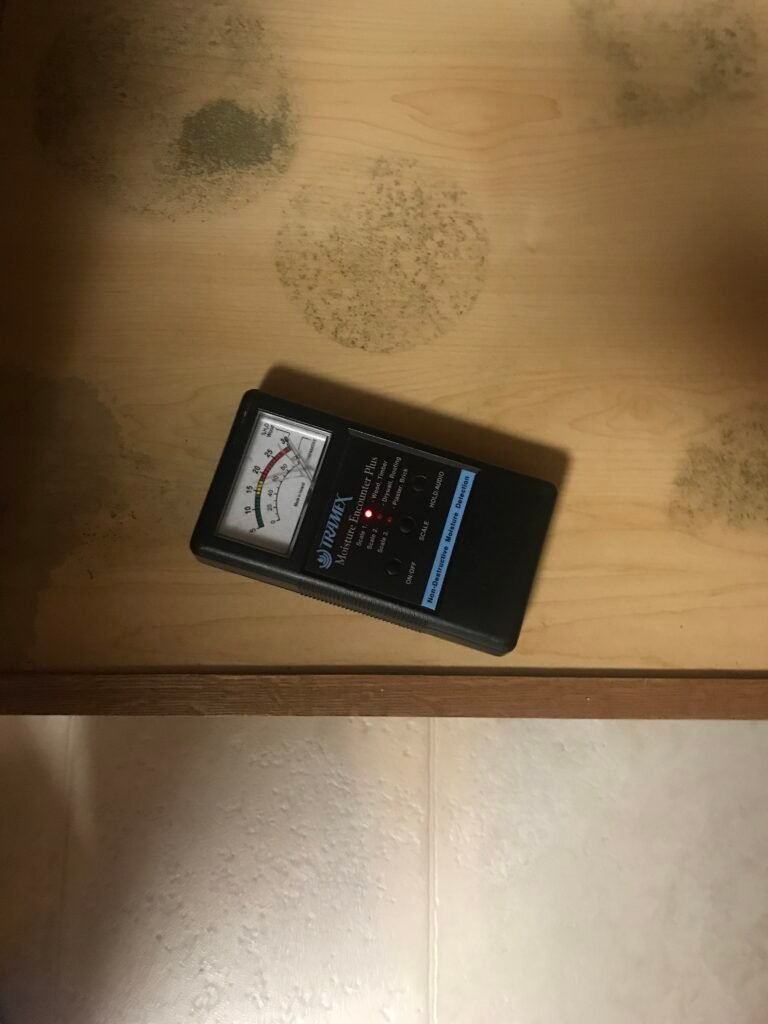
- Moisture detection to find the real source
- Inspection of hidden cavities and adjacent materials
- Determining what can be cleaned and what must be removed
- Containment planning to help prevent spread during work
- Clear next steps for repair and prevention
In some situations, mold is only one part of the issue. The property may also need mold removal, structural drying, or even fire and smoke cleanup to fully address the source of the problem.
Final Thought
Mold is rarely just a cleaning issue. It is usually a sign that moisture is present where it should not be. The sooner you find the source and the true scope, the faster you protect the property and the people inside it. If you are dealing with signs of hidden moisture, musty odors, or recent leaks, visit Emergency Restoration Team, learn more about our team, or contact us here to take the next step.
Want to know what you’re really dealing with?
If you’ve noticed a musty smell, recurring spots, or recent water issues, an assessment can clarify the scope and the safest next step.
Early action can prevent bigger damage later.
Helpful Resources
Mold problems often begin after hidden moisture or water damage. If you suspect moisture inside walls or flooring, it may require professional water damage restoration or mold removal.