Water Damage • Emergency Response • Charlotte NC
Emergency Water Extraction Charlotte NC: Act Fast Before Water Damage Gets Worse
Learn what emergency water extraction is, how the process works, why speed matters, and how Emergency Restoration Team helps protect Charlotte area homes from serious water damage and mold growth.
Introduction
Water damage is one of the most stressful and destructive things a Charlotte homeowner can experience. Whether it comes from a burst pipe, a severe storm, an appliance failure, or a sewage backup, water moves fast and it does not discriminate. It soaks into walls, floors, insulation, and structural materials within minutes. What starts as a manageable situation can turn into a major restoration project if the right steps are not taken immediately.
Emergency water extraction is the first and most critical step in the restoration process. It is not just about removing visible water. It is about protecting the structure of your home, preventing mold growth, and saving as much of your property as possible before permanent damage sets in. At Emergency Restoration Team, emergency extraction is always tied to full moisture inspection, drying, and documentation so hidden damage is not missed.
This guide helps Charlotte homeowners understand what emergency water extraction is, how the process works, why speed is everything, and what to expect when certified professionals arrive at the property. If the water loss has already spread behind walls or into flooring, you should also review our related article on why water damage gets worse over time.
Emergency warning for homeowners
Standing water is only part of the problem. Moisture keeps spreading through walls, flooring, subfloors, and structural materials even after the visible water looks smaller.
Fast professional extraction and drying can make the difference between saving materials and replacing them completely.
What Is Emergency Water Extraction?
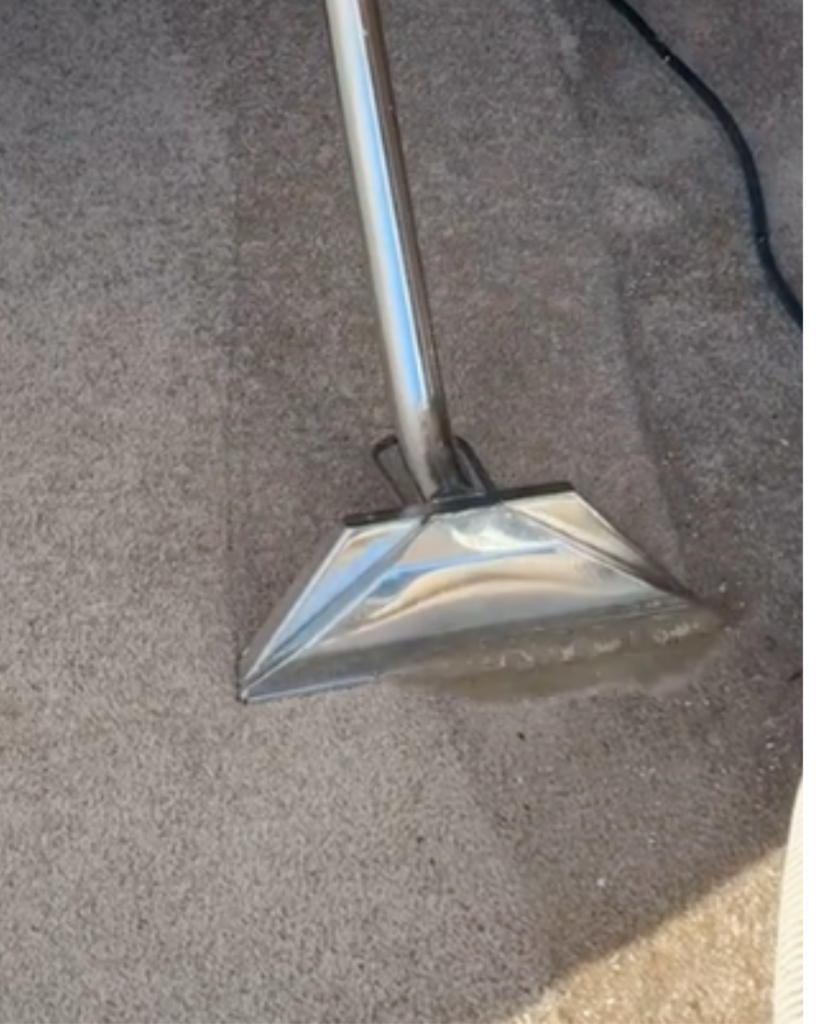
Emergency water extraction is the rapid removal of standing water and absorbed moisture from a property after a flood, leak, storm, or water intrusion event. Unlike mopping or using a household wet vacuum, professional extraction uses industrial equipment designed to pull water from deep within carpet padding, hardwood floors, drywall, and subfloor materials.
Professional extraction teams arrive with truck mounted extraction units, portable extractors, submersible pumps, and specialized tools for different surfaces. The goal is to remove as much water as possible in the shortest amount of time so damage stops spreading and the structure can move into the drying phase. This is why emergency extraction is a key part of professional water damage restoration in Charlotte NC.
Why Speed Is Everything After Water Damage
Most homeowners do not realize how quickly water damage escalates. Within the first few minutes water spreads across floors and soaks into baseboards and walls. Within the first hour it penetrates deeper into drywall, insulation, and structural wood. Within 24 hours mold can begin to form in areas where moisture has been trapped. Within 48 to 72 hours materials can warp, swell, and deteriorate badly.
The longer water sits, the more expensive the job usually becomes. Acting within the first few hours may mean the difference between drying your flooring and replacing it. It may mean the difference between saving drywall and tearing it out. If your water damage came from roof failure or heavy rain, fast action may also require immediate help from a storm damage restoration team.
Charlotte homeowners should also understand that delayed drying often leads into hidden moisture issues and microbial growth. If musty odor or visible growth appears later, that loss may expand into mold removal services that could have been avoided with faster extraction.
Why fast extraction matters
Emergency extraction lowers the amount of water inside the structure before deeper damage takes hold. That gives the home a much better chance of drying correctly and reduces the risk of mold, odor, and hidden structural deterioration.
The Most Common Causes of Water Damage in Charlotte NC
Charlotte and the surrounding areas experience a wide range of water damage causes. Severe storms and heavy rainfall are among the most common. Water can enter through damaged roofs, windows, doors, and foundation cracks during heavy storm events.
Burst and frozen pipes are another major cause, especially during colder periods. A single burst pipe can release a huge volume of water into a home in a very short time. Appliance failures are also common, including washing machine hose failures, dishwasher leaks, refrigerator line breaks, and water heater ruptures.
Sewage backups are especially serious because they involve contaminated water carrying bacteria and pathogens. In those cases, extraction must be followed by sanitation and disinfection through professional sewage cleanup services.
Roof leaks and storm damage can also allow water to enter slowly over time or all at once during a major weather event. If the issue started from a hidden leak, it can overlap with the dangers discussed in our blog on hidden structural damage after water intrusion.
How Professional Water Extraction Works
When a certified water extraction team arrives, the process follows a structured approach designed to protect the property and document everything for the insurance claim.
1. Inspection and moisture mapping
The first step is a complete assessment of the affected areas. Using moisture meters and thermal imaging cameras, technicians identify not just visible water but also all areas where moisture has migrated, including behind walls, under flooring, and inside ceiling cavities.
2. Standing water removal
Industrial truck mounted extractors and portable units are used to remove standing water rapidly. In heavily flooded areas, submersible pumps are deployed first to reduce water levels before extraction begins on the remaining moisture.
3. Structural drying setup
High capacity air movers are placed throughout the affected areas to create airflow. Commercial dehumidifiers then remove that evaporated moisture from the air. This combination is what actually dries the structure at a deep level, not just the visible surface.
4. Daily monitoring
Technicians return daily to measure moisture levels, adjust equipment placement, and document progress. That documentation is important for the claim and for making sure the structure reaches dry standard.
5. Final dry standard confirmation
Once moisture readings return to acceptable levels, the extraction and drying phase is complete. At that point, the restoration phase can begin, including repairs to drywall, flooring, trim, insulation, and other materials that could not be saved. If the water loss also involved fire suppression or smoke issues, related repair work may extend into fire damage restoration services.
Understanding Water Damage Categories
Not all water damage is the same. The restoration industry classifies water into three categories based on contamination level.
Category 1
Clean water from a broken supply line, overflowing sink, or other clean source. This is still destructive but does not pose an immediate health threat when addressed quickly.
Category 2
Grey water with some contamination that can cause illness if contacted or ingested. Common sources include washing machine overflow, dishwasher leaks, and some toilet overflows.
Category 3
Black water that is highly contaminated and dangerous. Sewage backups, floodwater, and standing water that has deteriorated over time fall into this category. These losses require full protective measures, extraction, sanitation, and often removal of porous materials.
Water categories can worsen over time. Clean water left untreated can become grey water, and grey water can become black water. This is another reason why fast extraction matters so much.
The Role of Moisture Meters and Thermal Imaging
Water does not stay where it lands. It follows the path of least resistance and can travel far from the original source before settling into materials. Moisture meters measure the moisture content of drywall, wood, concrete, and flooring. By taking readings across wide areas, technicians can identify all affected zones.
Thermal imaging cameras detect temperature differences caused by the presence of moisture. Wet materials hold temperature differently than dry materials, so thermal imaging can reveal wet areas behind walls and under floors that would otherwise go unnoticed. This technology helps prevent hidden moisture from being left behind to cause future damage.
Mold Prevention and Emergency Water Extraction
One of the most important reasons to call for emergency water extraction immediately is mold prevention. Mold is not just a cosmetic issue. It can affect air quality, trigger allergies, and create serious health concerns for children, older adults, and people with respiratory issues.
Mold needs moisture, an organic food source such as drywall or wood, and the right temperature. Charlotte’s warm and humid climate makes fast drying extremely important. Professional extraction and drying in the early window can often prevent mold from developing at all.
When extraction is delayed, mold remediation can become an added and expensive step in the restoration process. That is why losses that start as water damage sometimes expand into full mold remediation work if the moisture is not removed quickly enough.
Water Extraction and the Insurance Claim Process
Insurance claims are one of the most stressful parts of a water damage event. Most homeowners are not familiar with what their policy covers or what documentation is needed to support the claim. Professional restoration companies document the damage from the moment they arrive. This includes photos, moisture readings, equipment logs, and detailed reports.
This documentation helps support the claim and gives the insurance company a clearer record of what happened and what work was needed. Homeowners should contact their carrier as soon as possible and avoid throwing away damaged materials before they have been documented and approved. Emergency Restoration Team regularly helps homeowners navigate this process as part of our inspection and emergency response process.
Why Charlotte Homeowners Need a Local Certified Restoration Team
When water damage strikes, response time matters. A local certified team serving Charlotte, Gastonia, Matthews, Huntersville, Concord, Fort Mill, and Rock Hill can get to work faster and improve the overall outcome.
Certified restoration professionals follow standards from the IICRC, which helps ensure correct extraction, drying science, moisture detection, and safety procedures. Local teams also understand the weather patterns, building styles, and common loss scenarios of the Charlotte market.
Working with a local company also helps when coordinating with adjusters and managing the full scope of emergency service, from initial extraction to reconstruction and odor removal. For homeowners comparing local business profiles, you can also find Emergency Restoration Team on the Pineville Chamber of Commerce directory and on our Better Business Bureau listing.
Emergency Water Extraction Service Areas
Emergency Restoration Team provides 24/7 emergency water extraction and water damage restoration services across Charlotte NC, Gastonia NC, Matthews NC, Pineville NC, Huntersville NC, Concord NC, Fort Mill SC, Rock Hill SC, Waxhaw NC, and surrounding communities.
Related services include water damage restoration, storm damage restoration, sewage cleanup, mold removal, fire damage restoration, and odor removal.
Trusted local references
See Emergency Restoration Team on the Pineville Chamber listing.
You can also review our BBB business profile.
Need emergency water extraction now?
When water enters your home, every minute matters. Emergency Restoration Team is available 24/7 to respond quickly, remove water, dry the structure, and help protect your property from further damage.
24/7 Emergency Restoration Team (704)525-4552
Chat with our experts anytime (704)741-4721
Emergency Water Extraction FAQ
What is emergency water extraction?
Emergency water extraction is the rapid removal of standing water and absorbed moisture from a property after a flood, leak, burst pipe, or storm damage event.
How fast should water extraction begin?
It should begin as soon as possible. The longer water sits, the more likely it is to damage drywall, flooring, insulation, and structural materials.
Can I use a shop vacuum instead of calling a professional?
A household vacuum may remove a small amount of visible water, but it will not properly remove moisture from deep within building materials. Professional extraction equipment is much more powerful and is paired with structural drying methods.
Does emergency extraction help prevent mold?
Yes. Fast extraction and drying reduce the moisture conditions mold needs to grow. Delays increase the chance that the job will later require mold remediation.
What if the water is contaminated?
If the water came from sewage backup or another contaminated source, the job may require full sewage cleanup and sanitation in addition to extraction.
Who provides emergency water extraction in Charlotte NC?
Emergency Restoration Team provides 24/7 emergency water extraction, moisture inspection, drying, and restoration services throughout Charlotte and surrounding areas.
Industry resources: IICRC and EPA mold guidance