Water Damage • First 24 Hours
The First 24 Hours After Water Damage: What Most Homeowners Get Wrong
The first decisions after water damage can either limit the loss or make it much worse. Here is what usually happens, what goes wrong, and what actually helps protect your home.
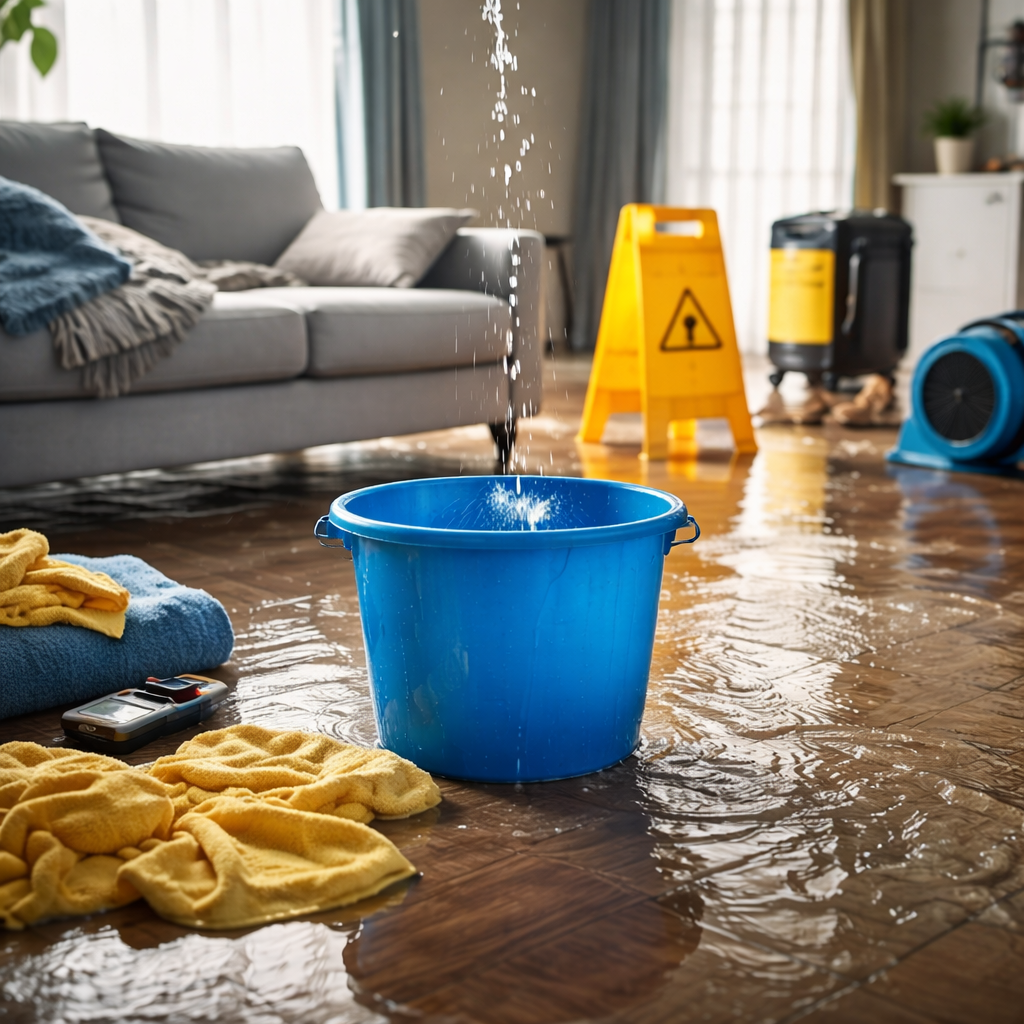
Water damage creates pressure fast. A pipe bursts, a washing machine overflows, or water starts dripping from the ceiling, and most homeowners feel like they need to do something immediately. Acting fast is important, but doing the wrong thing in the first 24 hours can increase the damage, raise the cost, and make drying harder.
The problem is that most of the real damage is not always visible. Water moves into drywall, insulation, subfloors, trim, cabinets, and framing long before a surface looks soaked. That is why the first day matters so much.
If you are dealing with active water intrusion, start with a professional water damage restoration service in Charlotte NC and document the damage as early as possible. Quick action can reduce secondary damage and help support the insurance process.
What most homeowners do first
Most people try to handle the visible water right away. They grab towels, use a mop, turn on ceiling fans, open windows, or bring in a small shop vacuum. That reaction is understandable, but it usually only addresses the surface.
Water often spreads into materials such as:
- Drywall
- Insulation
- Baseboards
- Subflooring
- Wood framing
- Cabinet toe kicks and lower panels
Once moisture moves into those materials, the situation changes from visible cleanup to structural drying. That is the point where many homeowners underestimate what is happening inside the home.
Why the first 24 hours are so important
Time changes the job. In the early hours, materials begin absorbing moisture deeper into the structure. Flooring can swell. Drywall can soften. Trim can separate. Adhesives can loosen. If the affected area is not dried correctly, the damage keeps spreading even when the room looks better on the surface.
Water damage rarely stays where it starts. Delayed action usually means more demolition, more drying time, and more repair work later.
This is also why homeowners often search for answers about hidden moisture and mold risk after water damage. Moisture trapped inside walls, ceilings, and flooring can create a much bigger problem if it is left behind.
Mistake number one: only drying what you can see
A wet floor may look like the whole problem, but it usually is not. Surface drying and real drying are not the same thing. Household fans can move air, but they do not remove enough moisture from wet building materials on their own.
Without proper extraction, air movement, and dehumidification, moisture can continue moving into:
- Wall cavities
- Floor assemblies
- Adjacent rooms
- Ceiling materials below the source
Professional drying is designed to remove moisture from both the air and the materials. If you want to understand that process better, this also ties closely to structural drying and emergency water mitigation.
Mistake number two: tearing out materials too early
Some homeowners start removing drywall, flooring, or cabinets immediately because they assume everything wet has to go. Sometimes demolition is necessary. Sometimes materials can be saved. The difference depends on the source of the water, the length of exposure, the category of loss, and the moisture levels inside the material.
Premature demolition can increase the repair bill and remove materials that could have been restored. Waiting too long can do the opposite and allow the damage to spread further. Both mistakes happen in the first day.
Mistake number three: forgetting about safety
Homeowners often focus on cleanup before thinking about electrical and structural risks. Water around outlets, appliances, light fixtures, or affected ceilings can create hazards that are easy to overlook.
Before entering the area or moving anything, make sure the source is stopped and the area is safe. The Ready.gov flood safety guidance and the FEMA emergency preparedness resources both reinforce the importance of safety first after water events.
Mistake number four: not documenting the loss early
The first day is also when many insurance problems begin. Homeowners are often focused on cleanup and do not realize how important it is to document where the water came from, what areas were affected, and how far it spread.
Good documentation should include clear photos, affected rooms, damaged materials, and any visible source of the loss before major changes are made.
This is one reason many property owners need help with inspection requests and damage documentation as soon as possible. Proper records can make a big difference once the insurance adjuster reviews the claim.
What should happen in the first 24 hours instead
The right response is usually more controlled and more technical than most homeowners expect. In general, the first day should focus on:
- Stopping the source of the water
- Making sure the area is safe to enter
- Documenting visible damage and affected materials
- Extracting standing water if it is safe to do so
- Checking for hidden moisture in walls, floors, and adjacent areas
- Beginning a professional drying plan with proper equipment
Industry standards for cleaning and restoration are shaped by organizations such as the IICRC, which is why professional restoration companies use moisture readings, equipment calculations, and drying documentation instead of guessing.
Why a professional response changes the outcome
A professional team is not just there to remove water. They help identify how far the loss has spread, locate moisture that is not visible, set up drying equipment correctly, and reduce the chance of secondary damage. That can mean less demolition, faster recovery, and a better chance of saving materials that still can be restored.
It also helps answer the questions homeowners usually have after the shock wears off, such as what can be saved, how long drying may take, and what the next step should be for cleanup and repairs.
Final thought
Most homeowners do not make the first 24 hours worse because they do not care. They make it worse because the damage is moving faster than they realize. What looks manageable on the surface can become a much larger issue behind walls, under flooring, and inside the structure.
Early clarity matters. The sooner the damage is assessed correctly, the better the chance of limiting the loss.
Need help after water damage?
Emergency Restoration Team provides 24/7 emergency response for water damage, structural drying, and restoration support across the greater Charlotte area.
24/7 Emergency Restoration Team (704)525-4552
Chat with our experts anytime (704)741-4721