Fire & Smoke • Aftermath
Smoke Damage After a Fire: What You Still Smell Could Be Dangerous
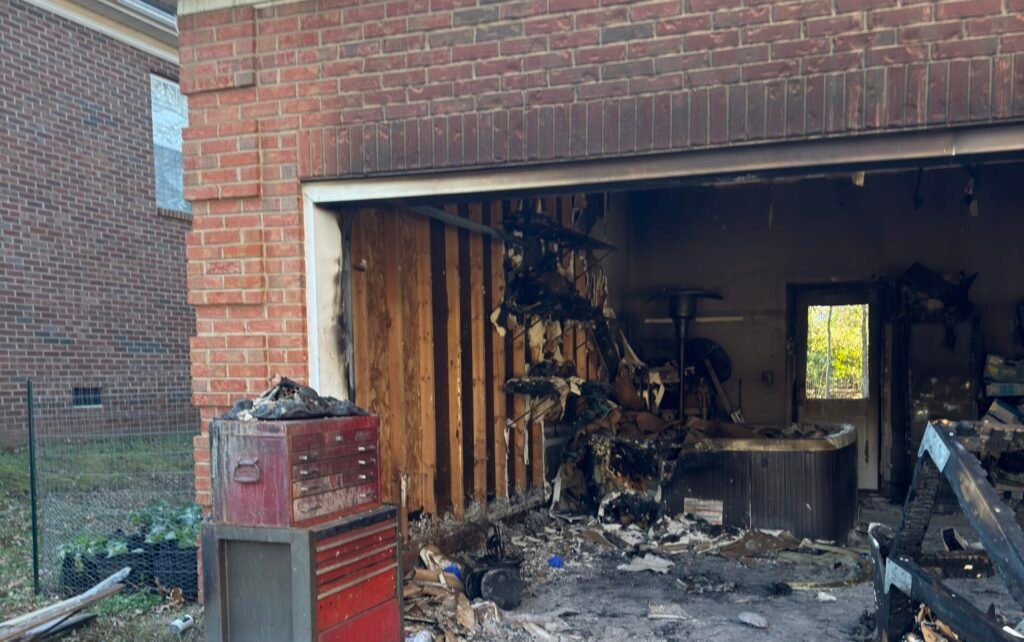
Even after the flames are gone, smoke residue can keep spreading through walls, HVAC systems, fabrics, and surfaces long after the fire is out.
A fire may be over, but smoke damage often is not. What you still smell days later can be a sign that soot, residue, and fine contaminants are still inside your property and still causing damage.
Smoke is not just an odor. It is a mix of particles and residues that can settle into porous materials, stain surfaces, and move through your air system. The sooner it is addressed properly, the easier the recovery can be. Emergency Restoration Team provides fire damage restoration in Charlotte NC along with professional odor removal when smoke contamination remains after a fire.
Why the Smell Does Not Go Away
Smoke particles are extremely small. They do not stay only on visible areas. They drift, settle, and embed into:
- Drywall and insulation
- Carpets, rugs, and upholstery
- Cabinet interiors and closets
- HVAC ducts and filters
- Wood framing and unfinished surfaces
If the odor lingers, it is usually because smoke residue is still present, not because you have not cleaned enough.
The Invisible Spread Most People Miss
Even a small kitchen fire can move smoke through hallways, vents, and open doorways. Soot can land in places most people do not check, such as behind baseboards, inside light fixtures, above ceiling lines, and inside HVAC pathways.
That is why spot cleaning often fails. It treats the obvious areas, but not the full path smoke traveled. In some cases, smoke related moisture or firefighting water can also lead to water damage restoration needs or even mold removal if materials remain wet too long.
Why DIY Cleaning Can Make It Worse
Regular household cleaners can smear soot and drive it deeper into paint, drywall texture, fabrics, and porous finishes. In many cases, wiping the wrong way spreads staining across a larger surface.
Common mistakes include:
- Using water based cleaners on soot heavy areas
- Scrubbing walls and ceilings
- Running HVAC without proper inspection or filtration
- Masking odor with sprays instead of removing the source
If the property also has contaminated water from sprinklers, firefighting efforts, or suppression runoff, there may be a need for specialty cleanup and sanitation depending on what affected the structure.
Health and Air Quality Concerns
Smoke residue can irritate airways, especially for children, older adults, and anyone with asthma, allergies, or other breathing concerns. Even when there is no visible soot, fine particles can remain in the air and on surfaces.
Industry guidance from the IICRC, the EPA, and the CDC reinforces the importance of properly removing contaminants instead of simply covering odors.
Insurance Documentation Matters
Fire and smoke claims often depend on clear documentation of affected materials, the extent of contamination, and the steps taken to reduce further damage. A professional assessment early in the process can help protect the claim and the repair scope.
Tip: Take photos before cleaning. Quick cleanup can accidentally remove visible evidence of smoke and soot damage.
What a Professional Smoke Assessment Includes
Proper restoration is about more than deodorizing. A professional team typically evaluates:
- Where smoke traveled, including HVAC pathways
- Surface soot type and severity
- Porous versus non porous material impact
- The safest decontamination approach
- Deodorization methods that remove the source instead of covering it
Depending on the loss, the property may also require structural protection and restoration work, smoke odor removal, and even full service support from a team that handles cleanup through repairs.
Final Thought
Smoke damage is often deceptive. It looks minor, feels manageable, and then shows up later as staining, recurring odor, corrosion, or air quality issues. The right response early can reduce long term costs and shorten recovery time.
If you have had a fire, lingering smoke odor, or soot contamination, the safest next step is to request an assessment so the property can be evaluated before the damage spreads further.
Need clarity about what you are facing?
If you have had any fire, smoke, or odor issues, an expert opinion early can prevent major complications later.
The sooner you understand the real scope, the easier recovery becomes.
Related Restoration Services
Fire losses often affect more than one part of the property. Related services may include fire damage restoration, odor removal, water damage restoration, and mold removal when moisture is involved after suppression efforts.