Fast Mold Removal Charlotte NC and Mold Remediation Services
Mold growth is usually caused by unresolved moisture such as roof leaks, plumbing leaks, crawl space humidity, or past water damage that was not fully dried. Emergency Restoration Team provides professional mold removal and mold remediation in Charlotte NC using proper containment, safe removal, and moisture control to help restore a healthier indoor environment.
Water Damage Restoration Charlotte NC – Odor Removal Charlotte NC – Rebuild and Renovations Charlotte NC
After contaminated materials are removed and containment is in place, the cleaning and sanitization phase focuses on detailed surface treatment. The goal is to reduce remaining spores on structural surfaces and support a cleaner indoor environment.
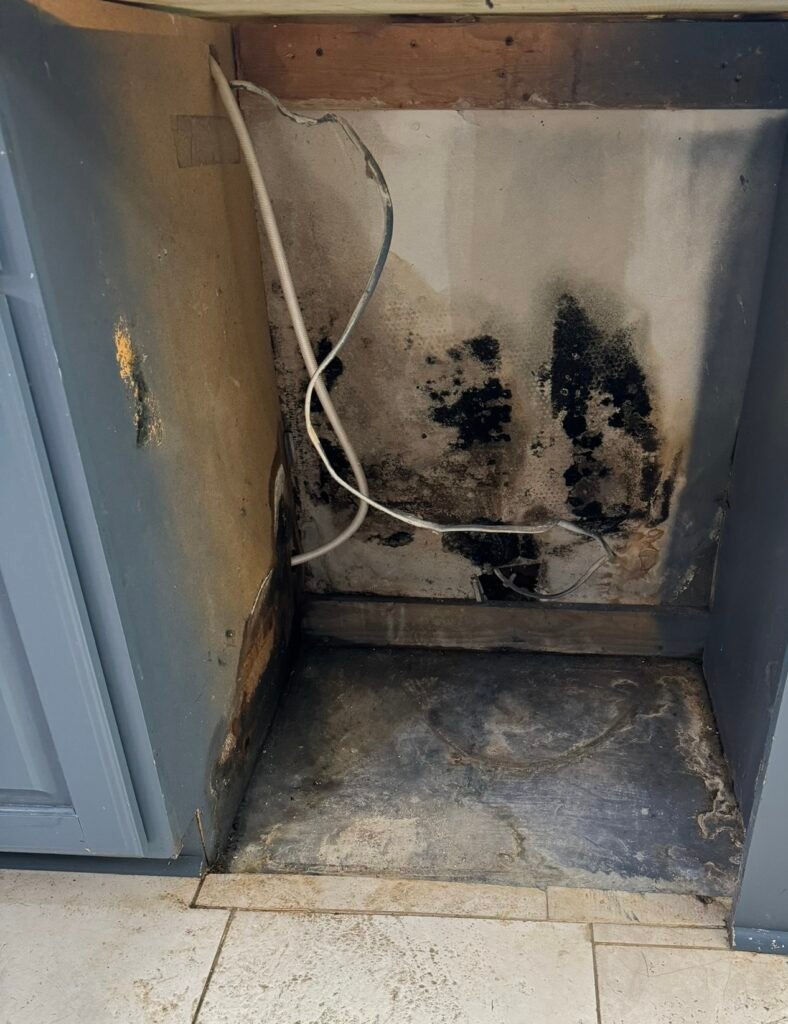
As a trusted mold removal Charlotte NC company, Emergency Restoration Team focuses on identifying moisture sources, proper containment, safe removal, and detailed cleaning to support long term indoor air quality improvement.
Mold does not start without moisture. The most common causes include plumbing leaks, roof leaks, crawl space humidity, HVAC condensation, high indoor humidity, and materials that remained damp after a water event. If the moisture source is not corrected, mold can return even after cleaning.
If you recently experienced a leak or overflow, start with our water damage restoration Charlotte NC service to properly dry the structure before mold spreads.
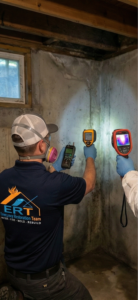
Mold growth is almost always the result of excess moisture. A proper inspection focuses on identifying the source of moisture, evaluating the extent of visible and hidden contamination, and developing a clear remediation plan before any removal begins.
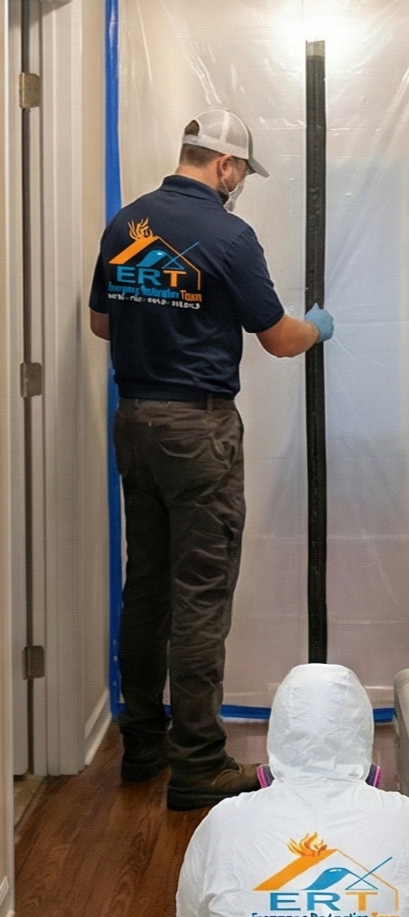
Mold growth usually means there is a moisture problem feeding it. Our containment and removal process is designed to limit cross contamination, remove affected materials when needed, and reduce airborne spores while work is being performed.
After contaminated materials are removed and containment is in place, the cleaning and sanitization phase focuses on detailed surface treatment. The goal is to reduce remaining spores on structural surfaces and support a cleaner indoor environment.
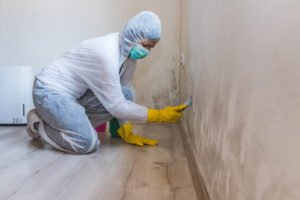
During mold remediation, airborne spores can become disturbed. Air filtration and HEPA scrubbing help reduce suspended particles in the work area and support a cleaner indoor environment throughout the remediation process.
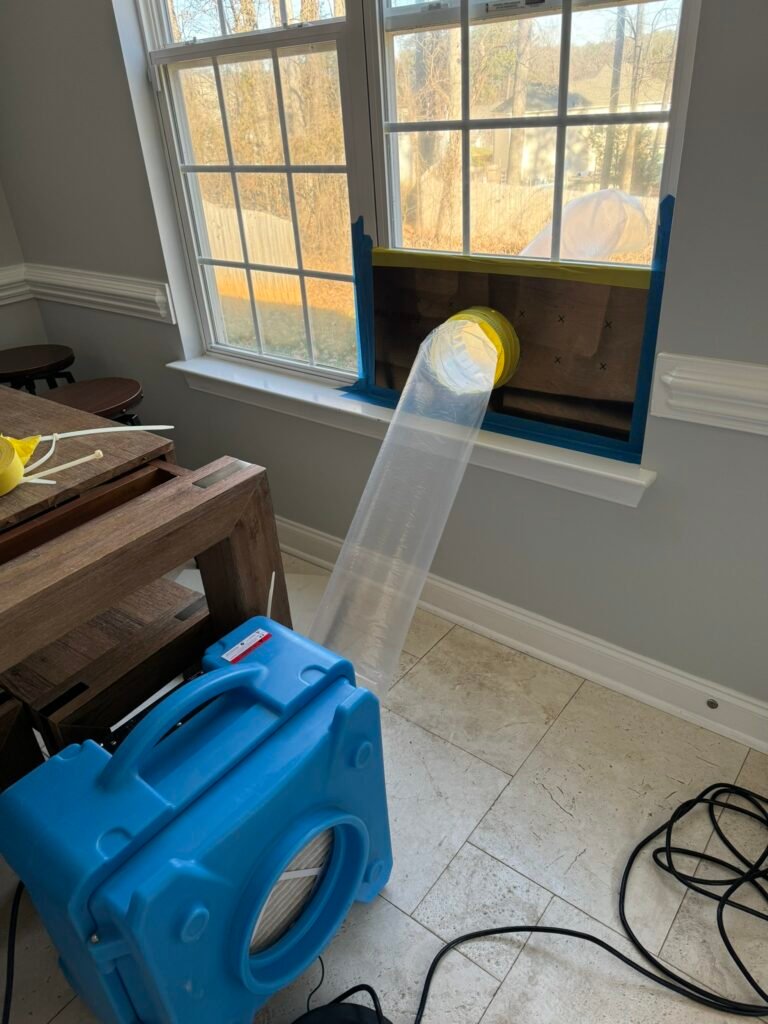
Mold remediation is not complete unless the underlying moisture issue is addressed. Long term control focuses on preventing recurrence by correcting humidity problems, improving ventilation, and resolving water intrusion sources.
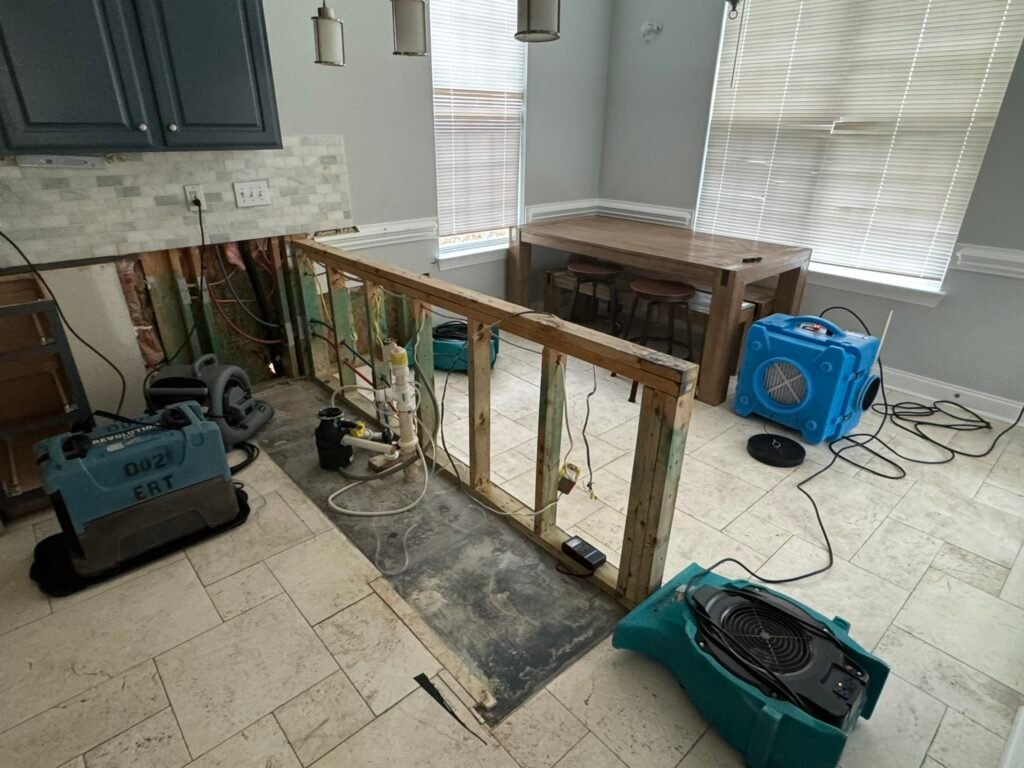
Mold exposure may contribute to respiratory irritation, allergy symptoms, sinus congestion, asthma flare ups, and indoor air quality concerns. Professional mold removal Charlotte NC services focus on safe containment and removal to reduce airborne spores and improve indoor air quality.
We handle mold remediation for homes, businesses, and industrial facilities across the Charlotte area:

Restore a safe living environment by eliminating mold from your home
Maintain a clean, mold-free workplace for your employees and customers

Specialized remediation solutions for factories and large-scale operations
Our mold remediation process follows established industry guidelines for containment, removal, and moisture control. Technicians apply best practices to protect indoor air quality and reduce cross contamination during remediation.
Emergency Restoration Team proudly offers mold removal Charlotte NC and mold remediation services throughout Charlotte and surrounding areas:
Not sure if you’re in our service area? Give us a call at (704) 525-4552 and we’ll do our best to help!
If you see visible mold growth, notice a musty odor, or recently had a leak that was not properly dried, you may need professional mold remediation. Mold removal focuses on physically removing contaminated materials, while remediation includes containment, air filtration, and moisture control to reduce recurrence.
Mold growth is caused by excess moisture. Common sources include plumbing leaks, roof leaks, crawl space humidity, high indoor humidity, condensation around HVAC systems, and water damage that was not completely dried. Without correcting the moisture source, mold can return.
Mold exposure may trigger allergy symptoms, respiratory irritation, sinus congestion, and asthma flare ups in sensitive individuals. Professional mold remediation reduces airborne spores and improves indoor air quality using containment and HEPA air filtration systems.
The timeline depends on the size of the affected area and the level of contamination. Small contained areas may take a few days, while larger structural remediation projects may take longer if materials need to be removed and replaced.
Mold can return if the moisture source is not corrected. Proper remediation includes identifying and addressing the underlying moisture issue to reduce the risk of future growth.
If mold is caused by a recent leak or flooding event, the structure must first be properly dried. Our water damage restoration Charlotte NC service ensures moisture levels are reduced before remediation begins.
